
Belonging & Civic Muscle: Inaugural Learning Cohort
The Inland Empire Vital Conditions Network’s inaugural Belonging & Civic Muscle Cohort brings together 15 community teams for a ten-month learning and action journey. Participants are building the relationships, practices, and shared capacity to work across differences, contribute to community life, and help shape a future in which every person and place in the Inland Empire can thrive.
Through in-person Learning Labs, virtual Peer Connections, and team-based practice between gatherings, cohort members are exploring how belonging and civic muscle are cultivated within ourselves, between people, and across organizations, networks, and communities. The journey began in early 2026 and will culminate in a Harvest gathering in December.
What is Belonging and Civic Muscle?
Belonging is connection through genuine relationships—the experience of being known, valued, supported, and having a meaningful place in community. Civic muscle is the practiced capacity to contribute with others toward a shared future. The two reinforce one another: belonging gives people the security from which they can participate and contribute, while meaningful contribution can deepen the experience of being known, valued, and part of something larger.
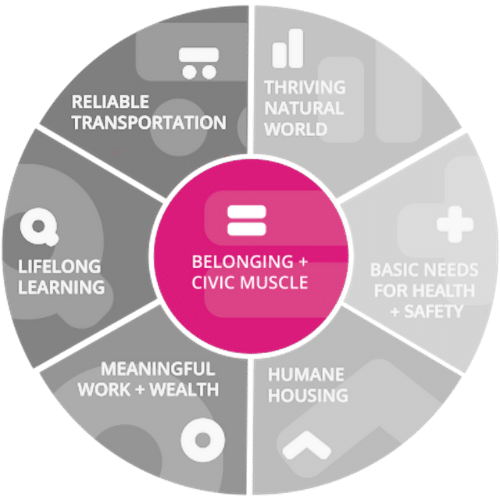
Belonging and Civic Muscle (BCM) is at the heart of the Vital Conditions for Health and Well-Being because it is both a vital condition in its own right and a practical capacity for advancing all the others. It strengthens the trust, shared responsibility, and collective power communities need to navigate complex challenges and create lasting well-being.
Why This Matters Now
Across the Country and in the Inland Empire, people and communities are navigating isolation, division, mistrust, exhaustion, and uncertainty. These pressures can make it harder to stay connected, work across differences, and solve problems together.
The cohort is an invitation to turn toward one another. It gives community stewards time and space to slow down, strengthen relationships, practice working across differences, and develop new ways of seeing and acting together.
The cohort has two connected aims:
Within teams: Cultivate belonging and strengthen the civic muscle of participating individuals, organizations and networks.
Across the region: Help IE Vital Conditions Network learn what it takes to strengthen and spread these capacities throughout the Inland Empire.
Participants connect personal and relational practice with collective learning and action—building their capacity to connect, bridge, heal and repair, weave, co-create, and grow the infrastructure for shared stewardship.
Cohort Journey
Between Learning Labs, virtual Peer Connections and team-based practice give participants time to reflect, learn from one another, deepen their skills, and carry the learning into their organizations, networks, and communities.

Meet the 2026 Cohort
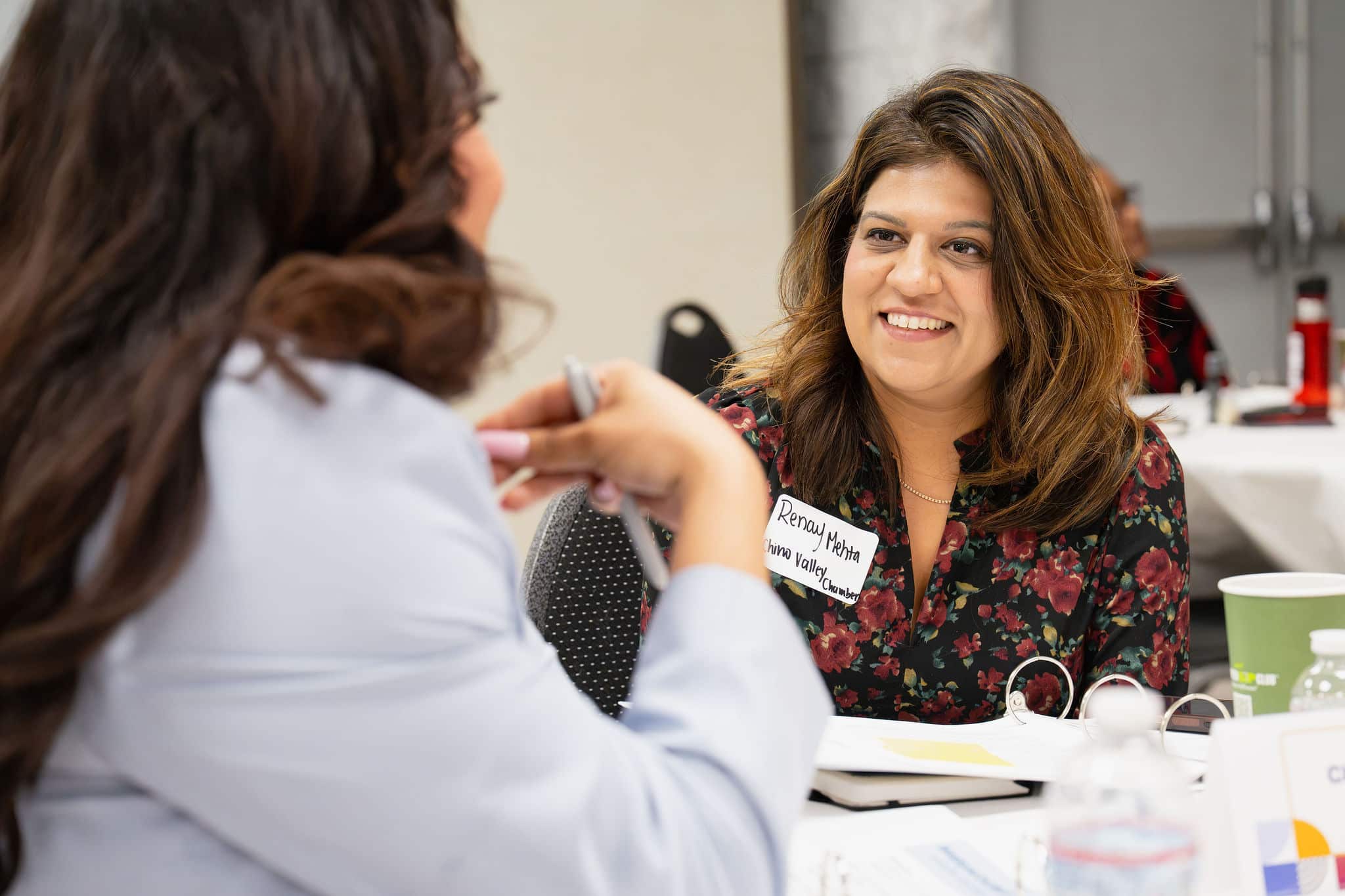
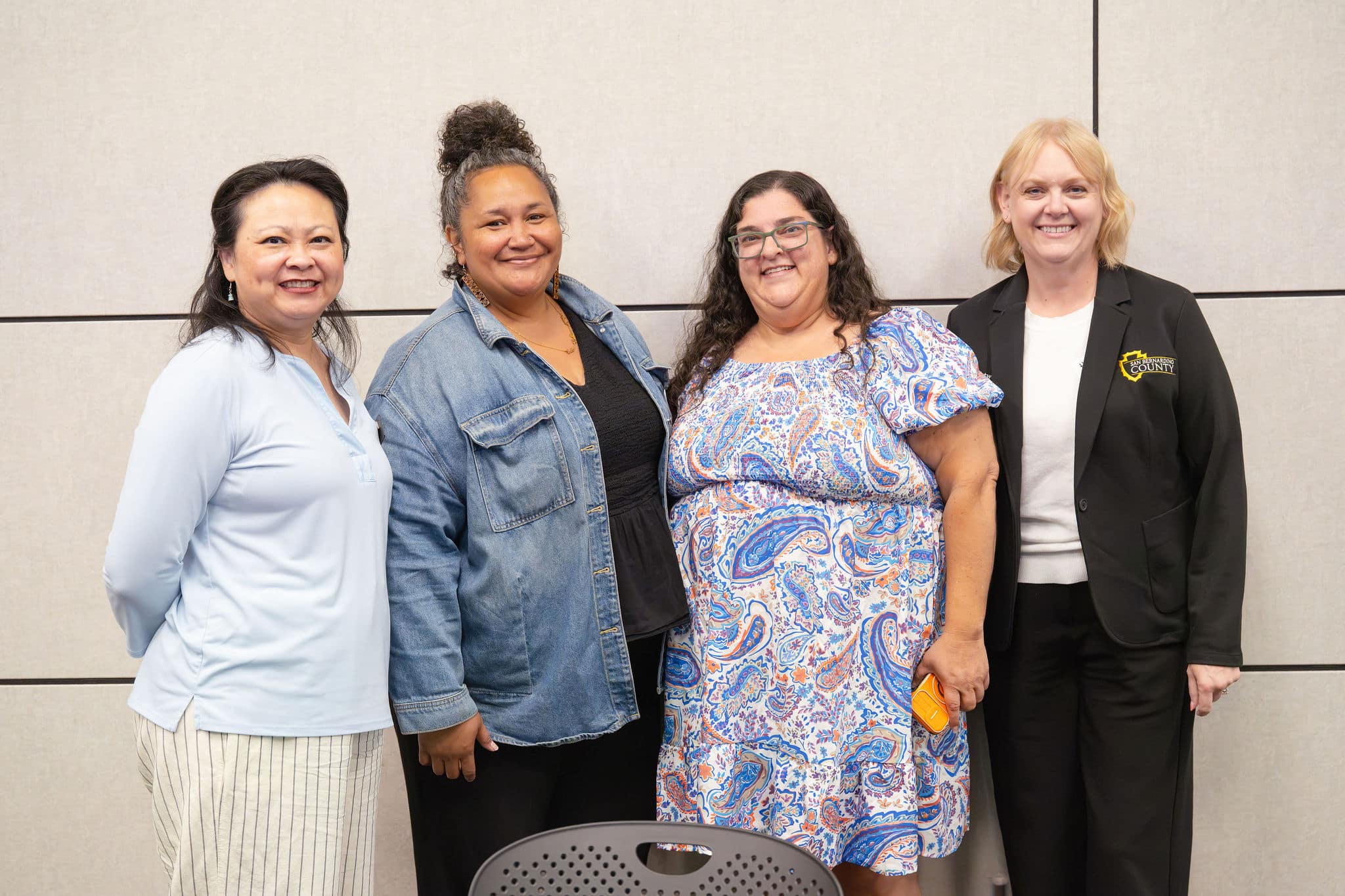
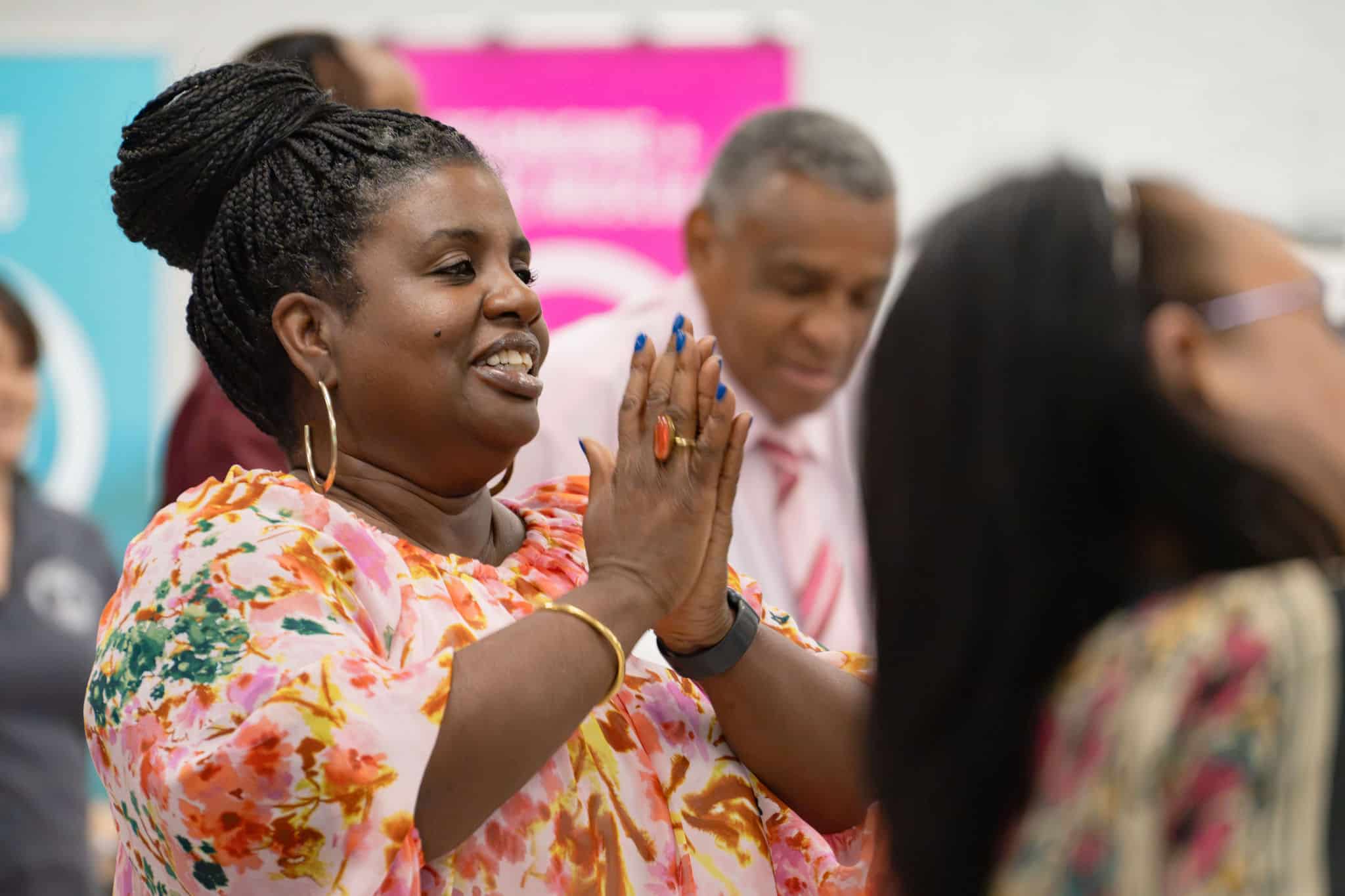
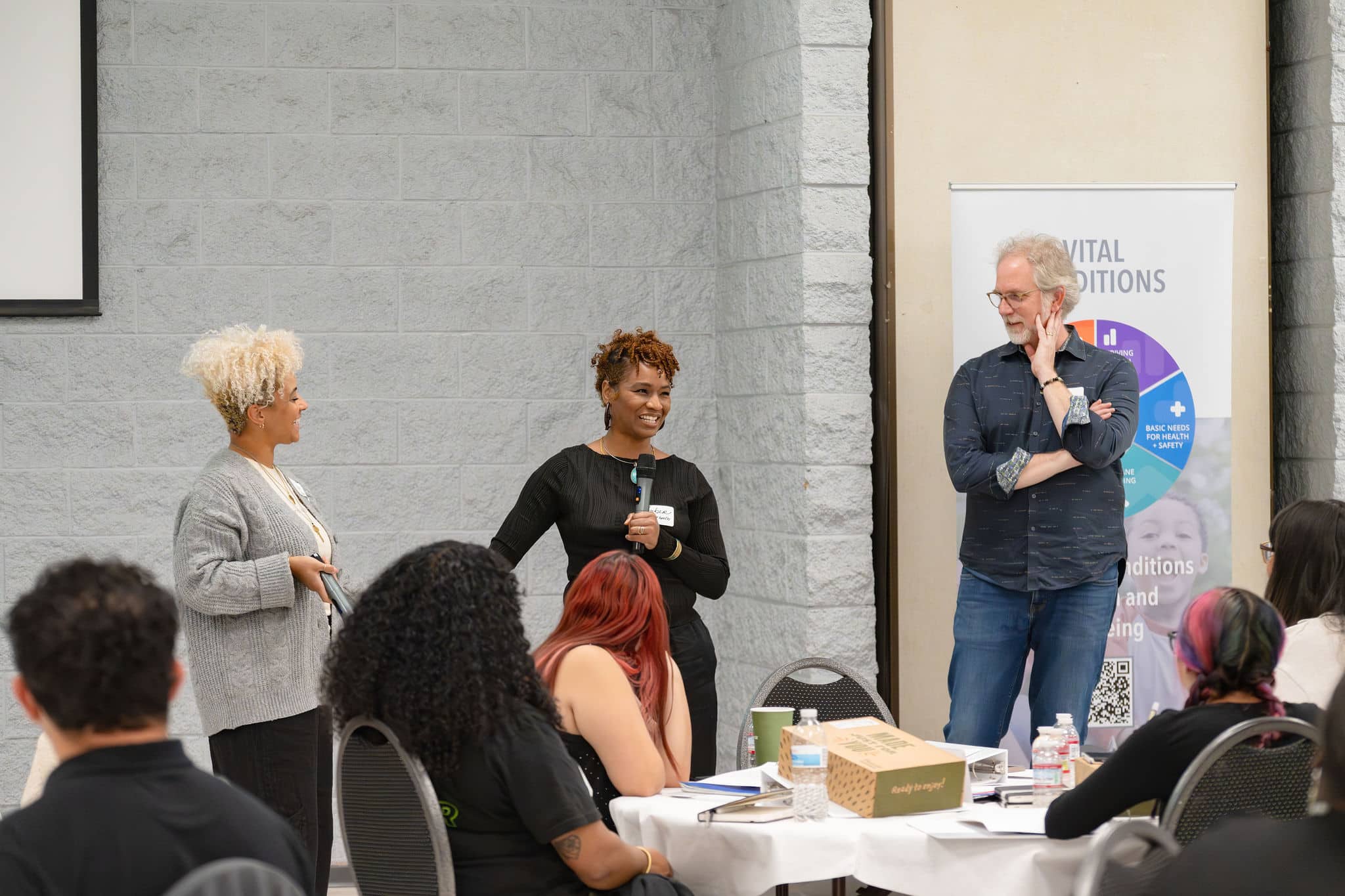
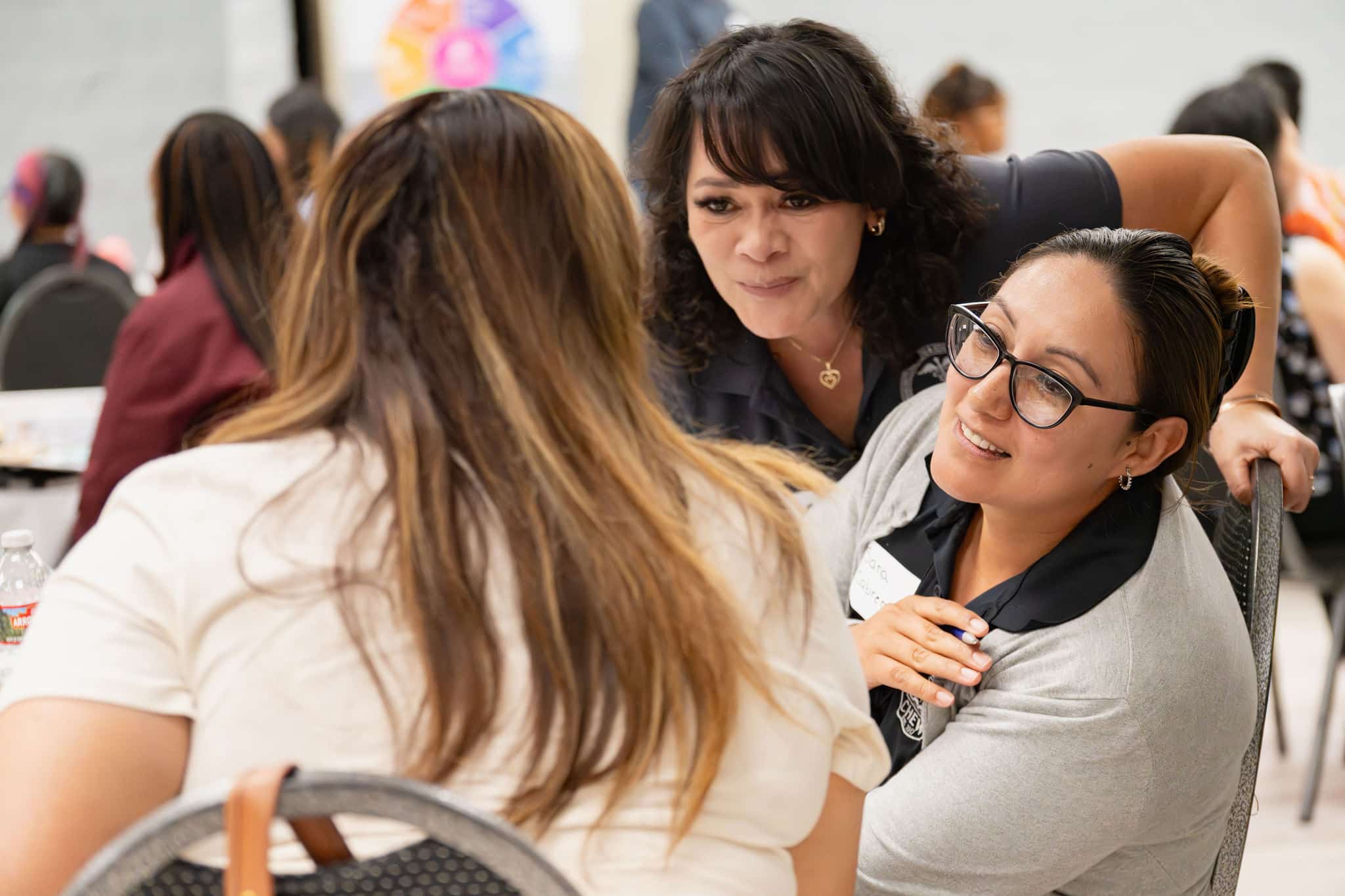
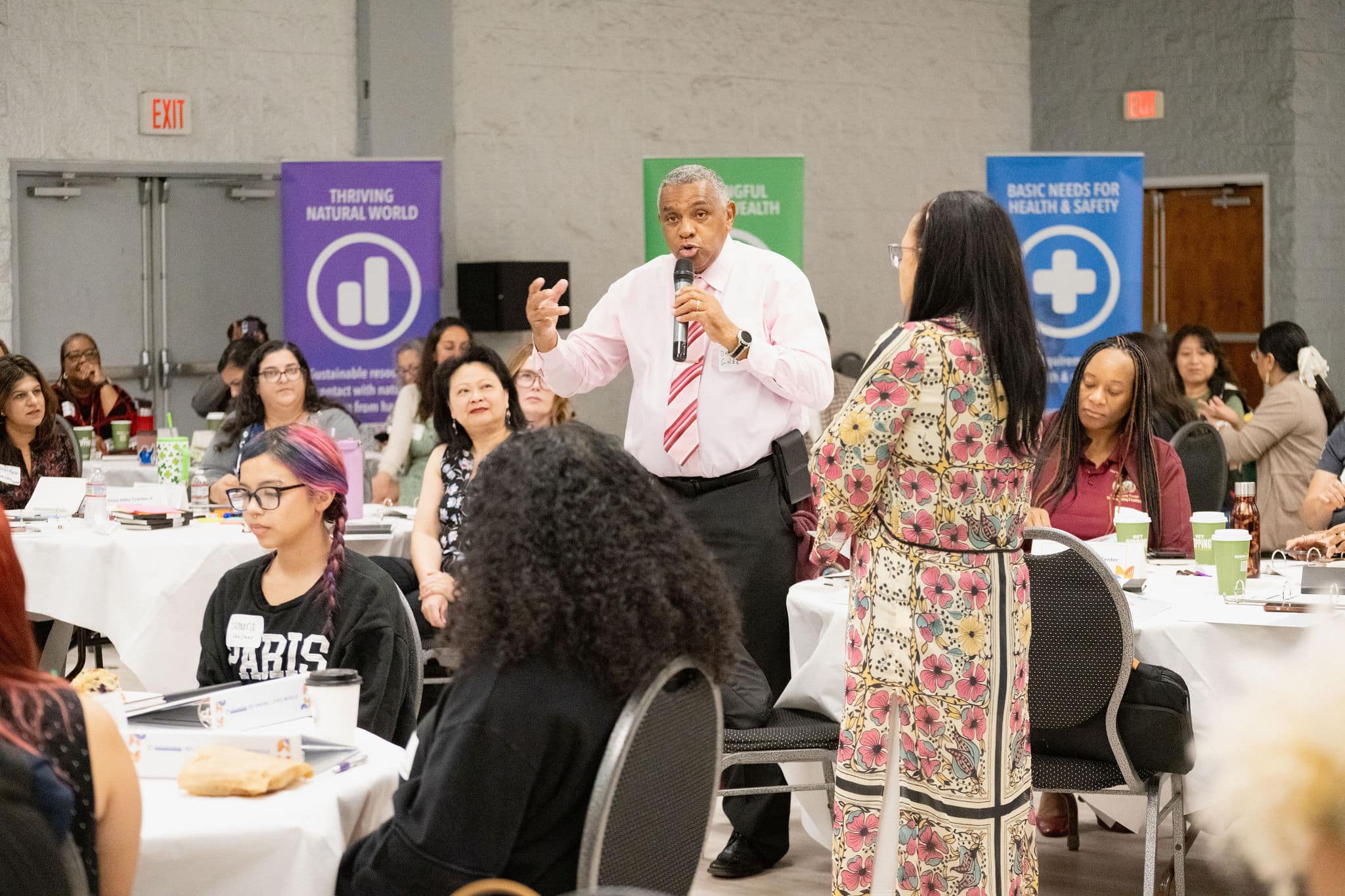
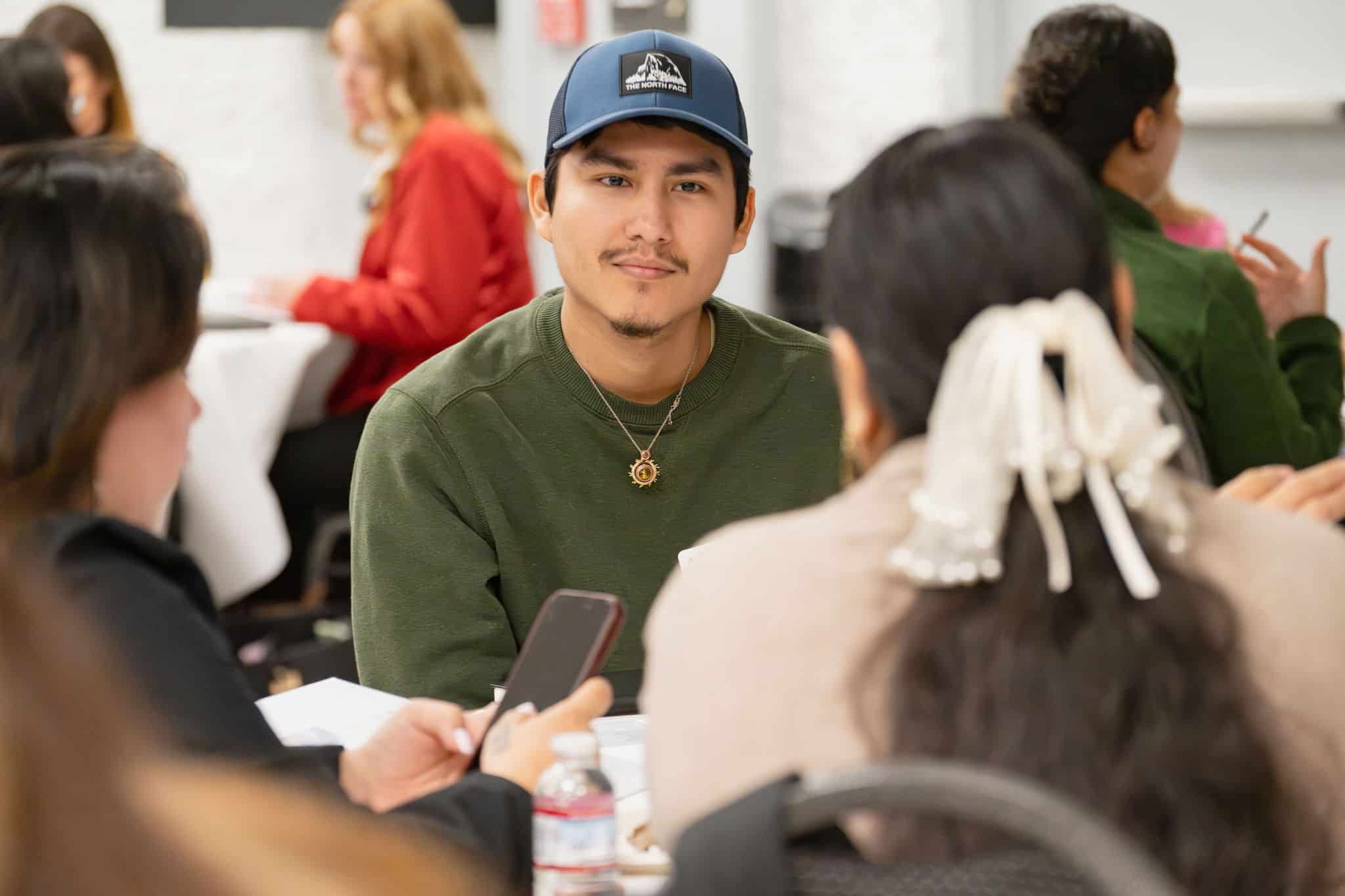
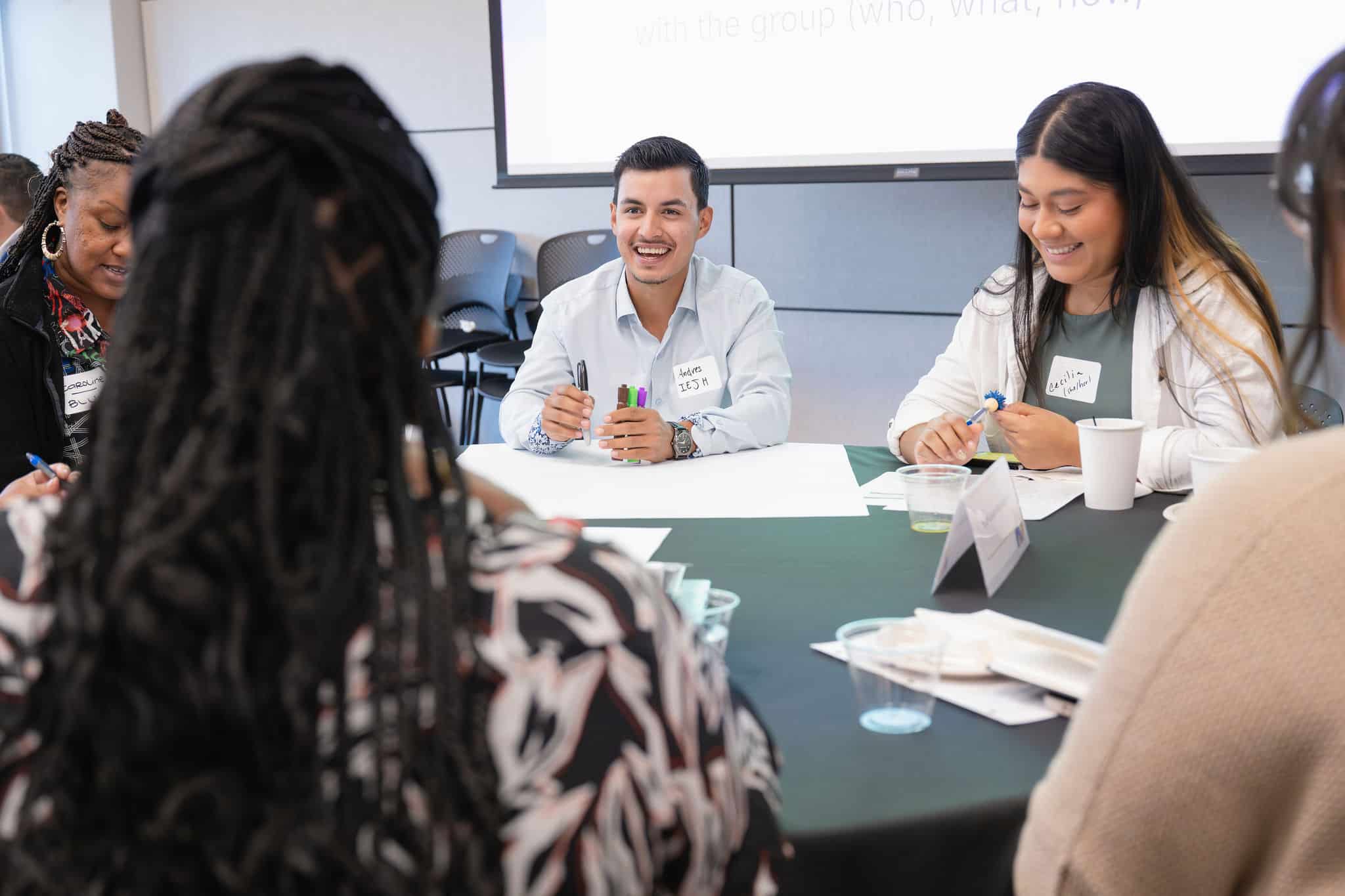
Chosen from more than 45 applicants, the inaugural cohort includes 15 teams representing a wide range of communities, sectors, and approaches to strengthening well-being across the Inland Empire. The cohort reflects a shared readiness across the region to invest in the relationships, skills, and partnerships that make meaningful collective progress possible.




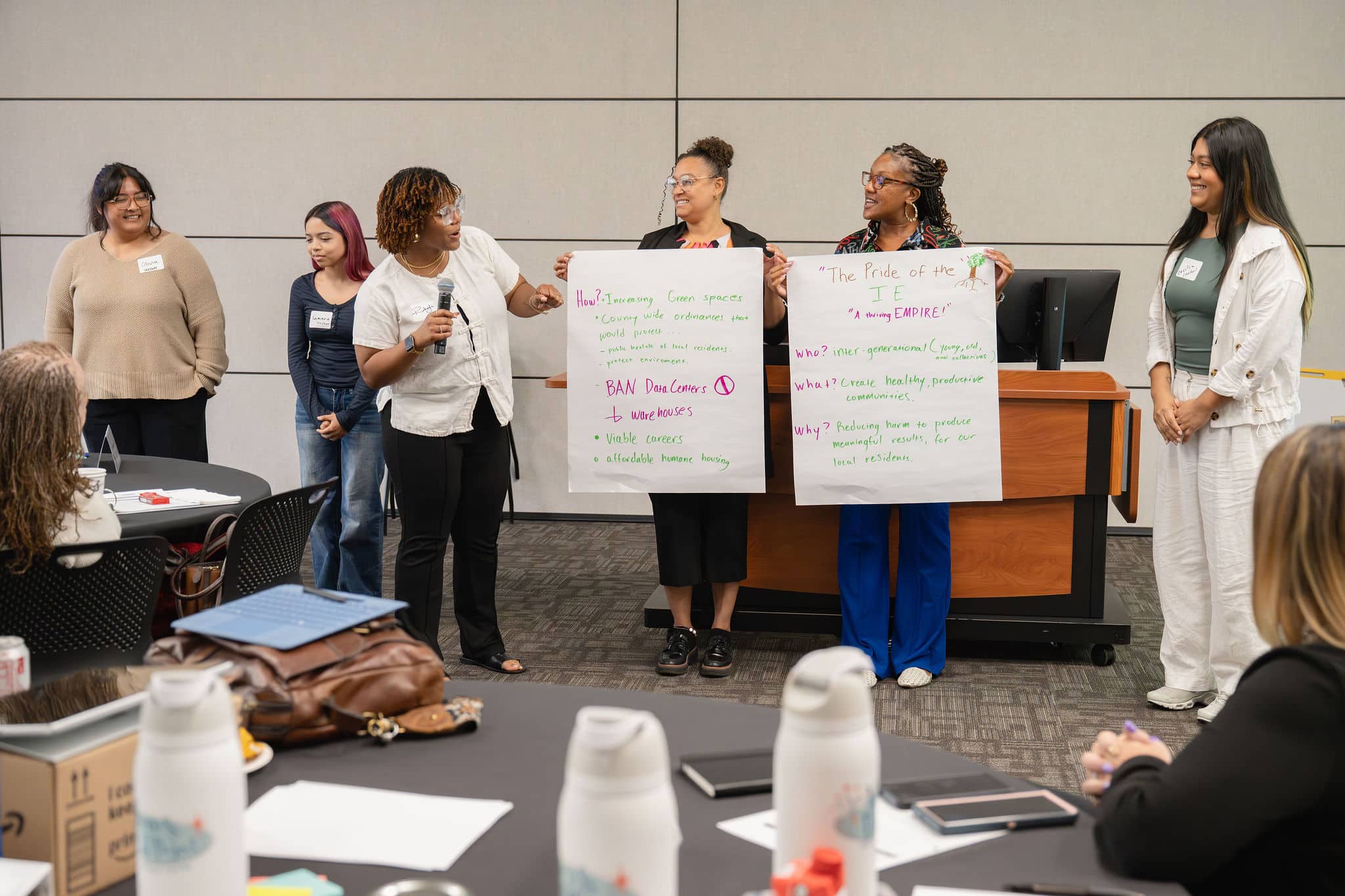
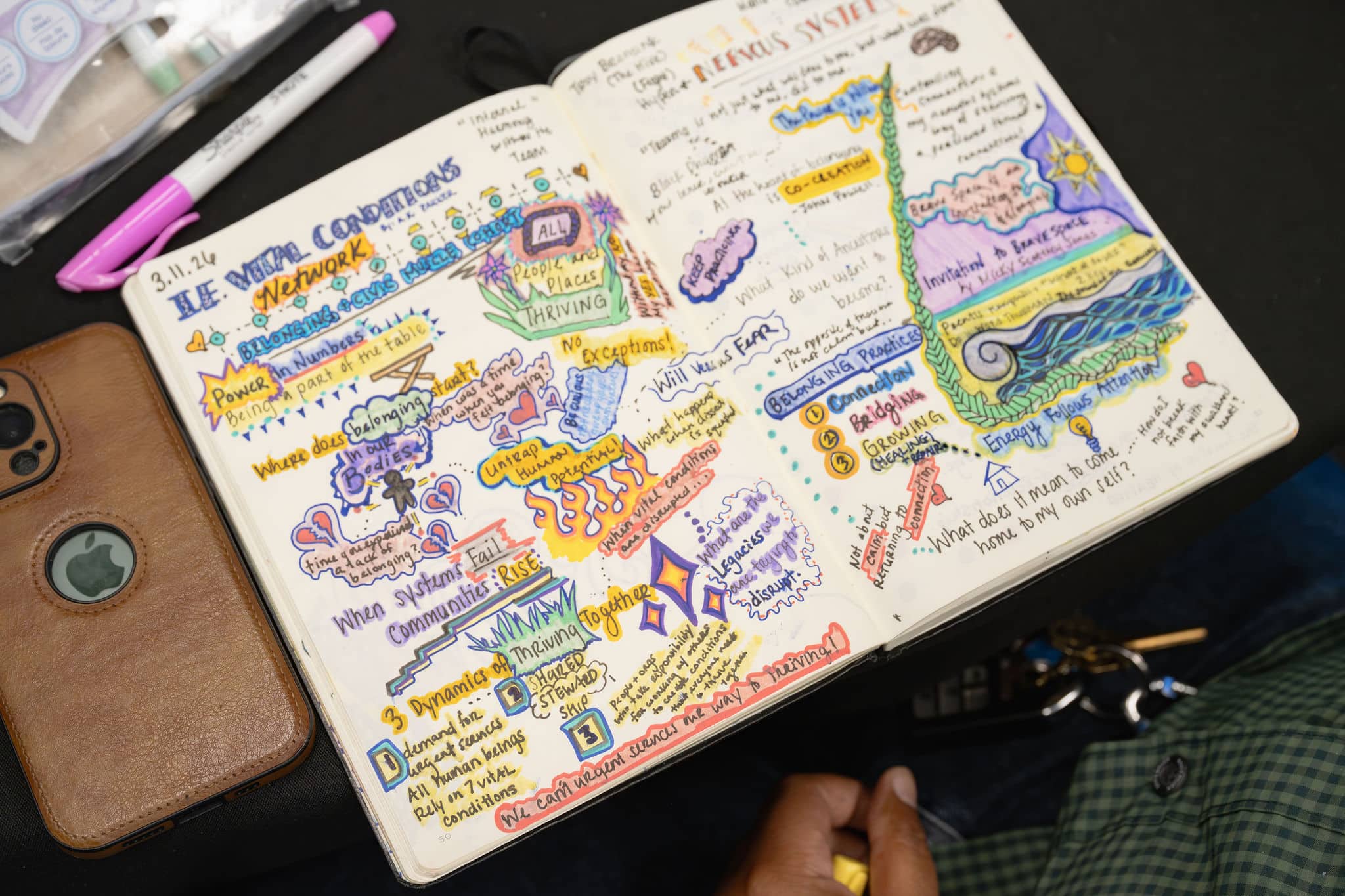
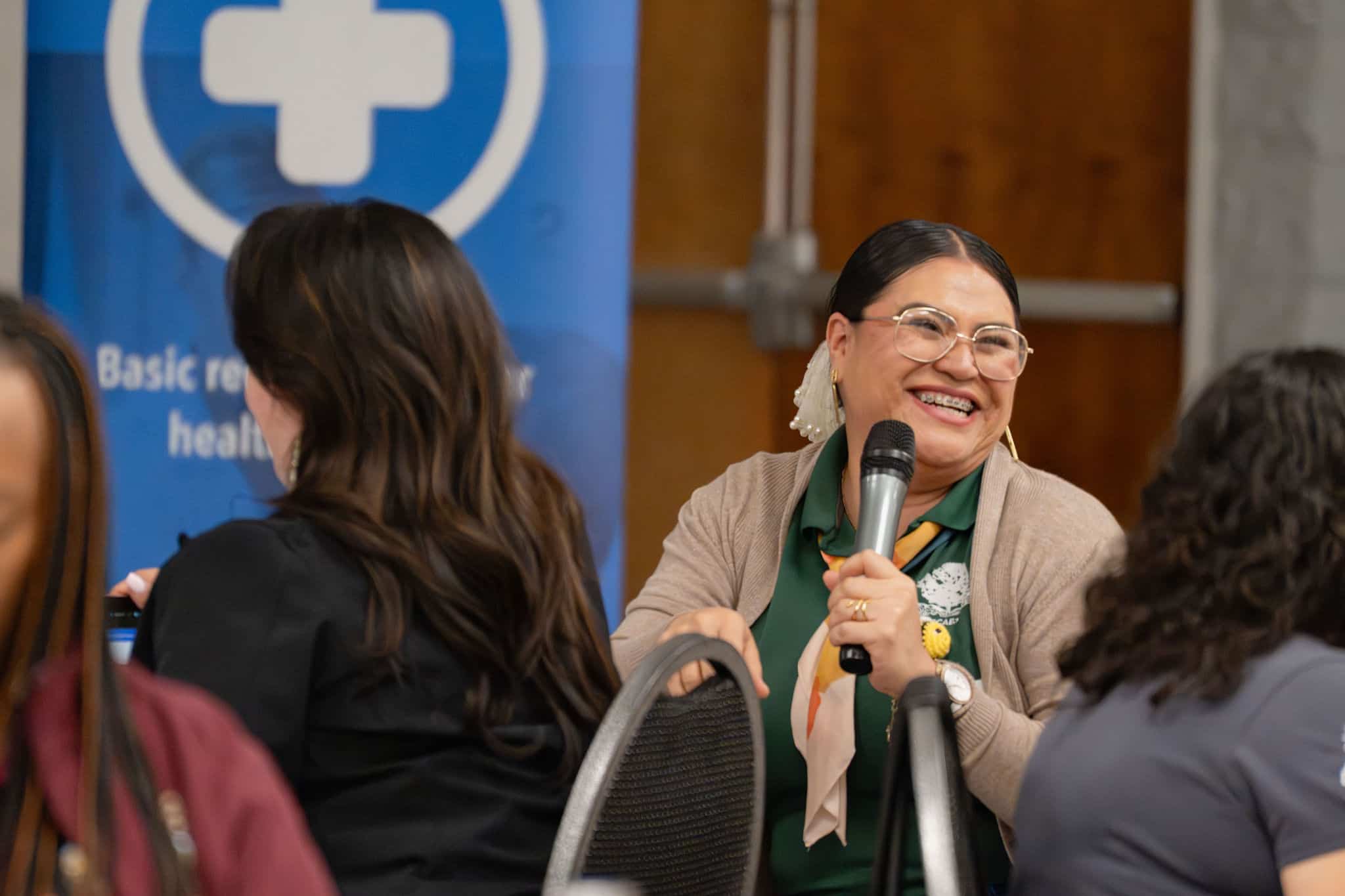
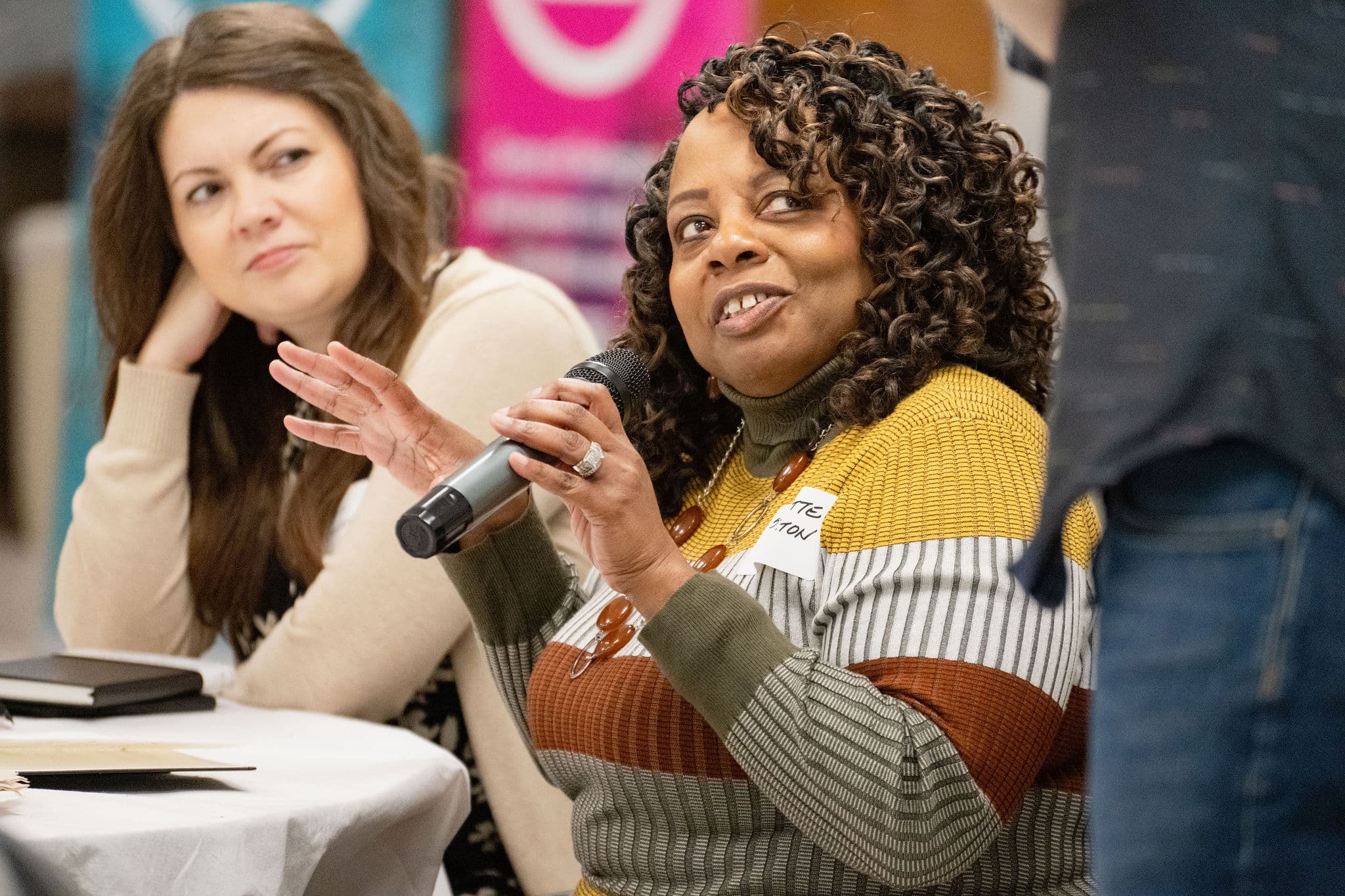
Inside the Learning Journey
Each stage of the journey deepens a different dimension of belonging and civic muscle. Explore the sessions below for a closer look at the ideas, practices, and experiences shaping the cohort’s learning
Learning Lab 1: Belonging
Belonging in experience and practice
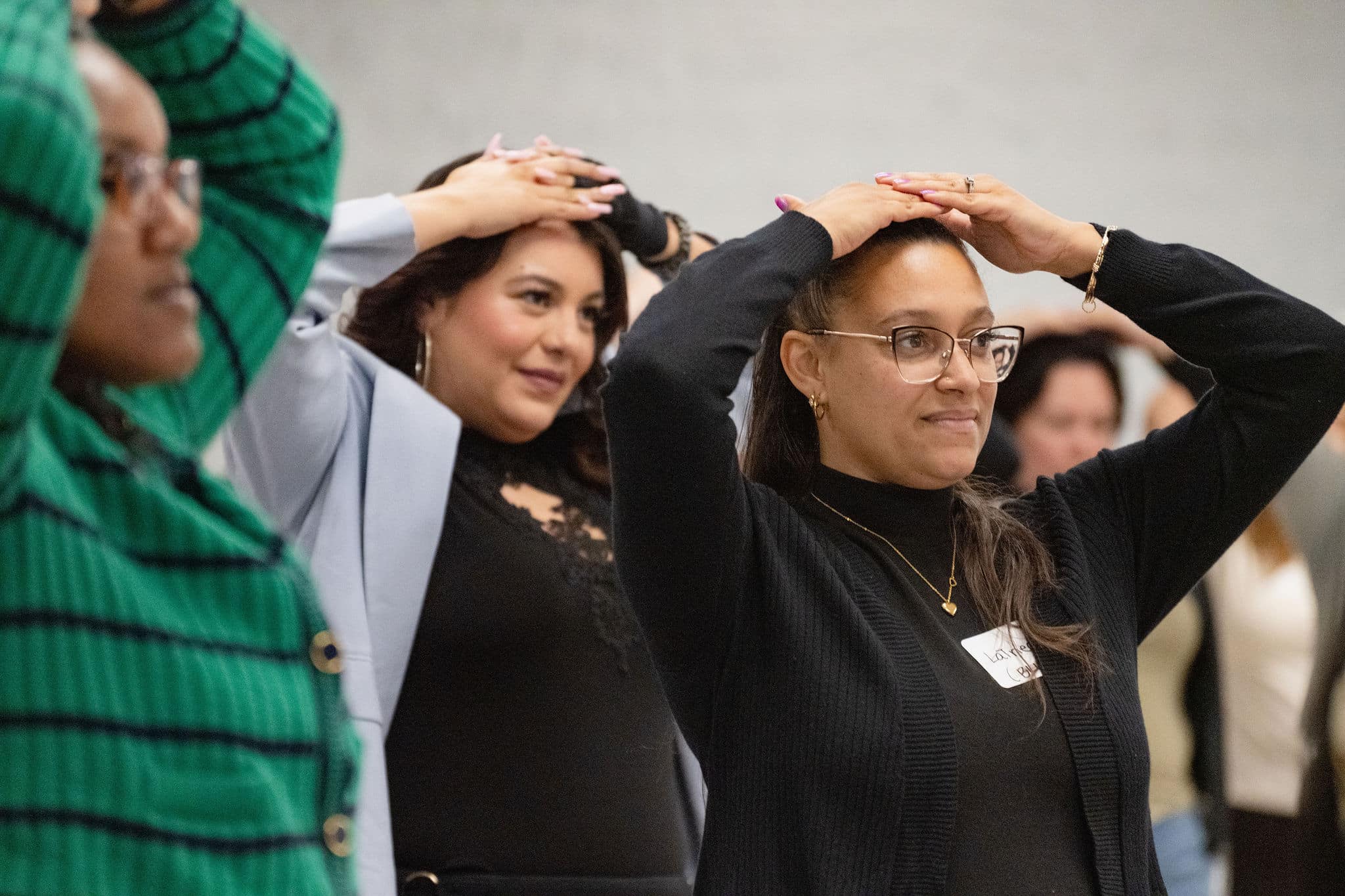
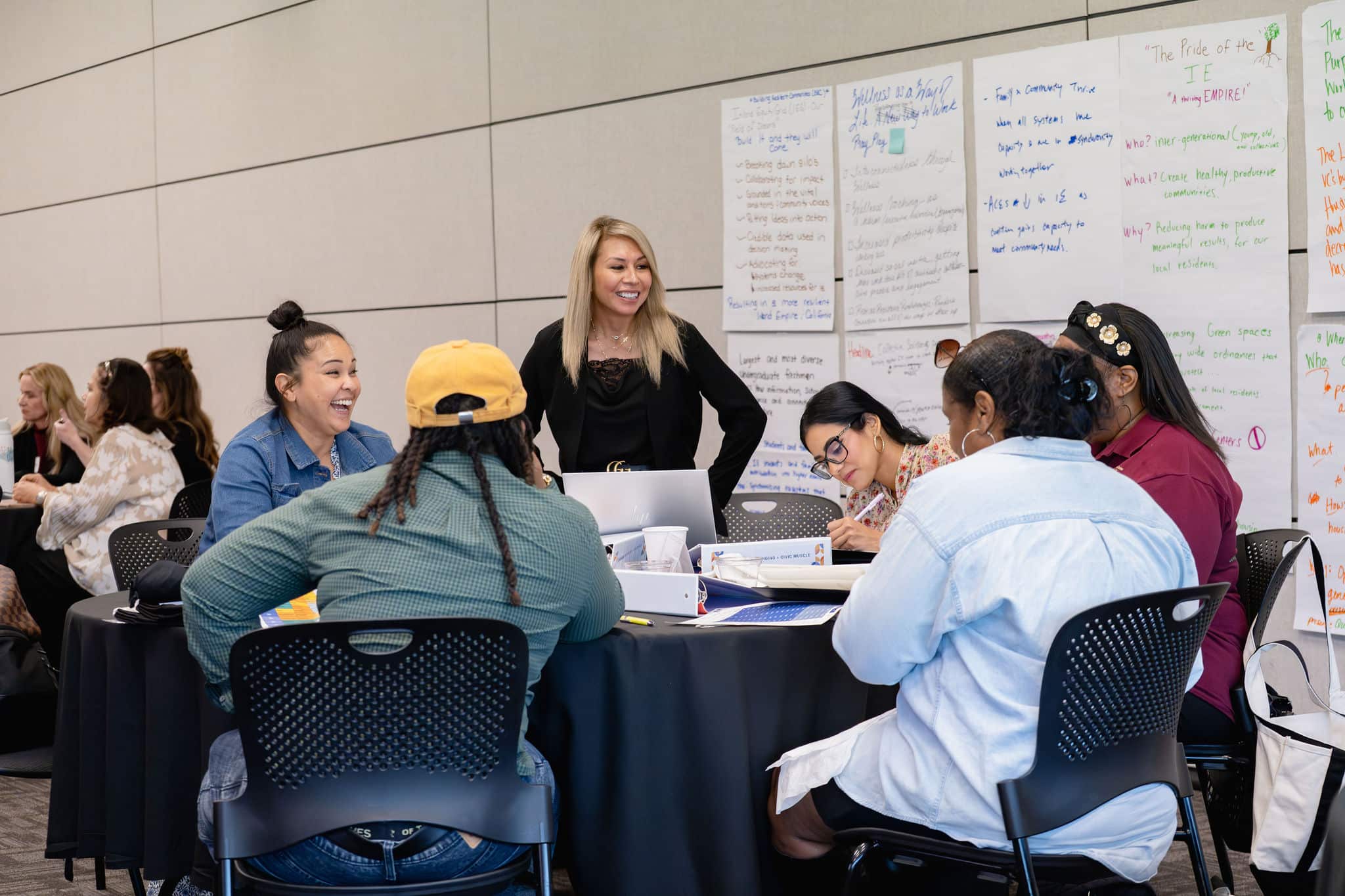
The first Learning Lab invited cohort members to experience belonging before approaching it as an organizational or community strategy. Participants explored how belonging begins in the body, practiced becoming more present to themselves and one another, and began strengthening skills for connection, bridging, healing, and repair.
The lab also established the cohort as a learning community. Teams began building the trust and relationships needed to move through the rest of the journey together.
Peer Connection: Practicing Between Gatherings
During the first virtual Peer Connection, cohort members reflected on how the practices introduced in the lab were showing up in their lives, teams, and organizations. The session created space to reinforce learning, share experiences, and continue building relationships across the cohort.
Learning Lab 2: Weaving
Social connection in divided times
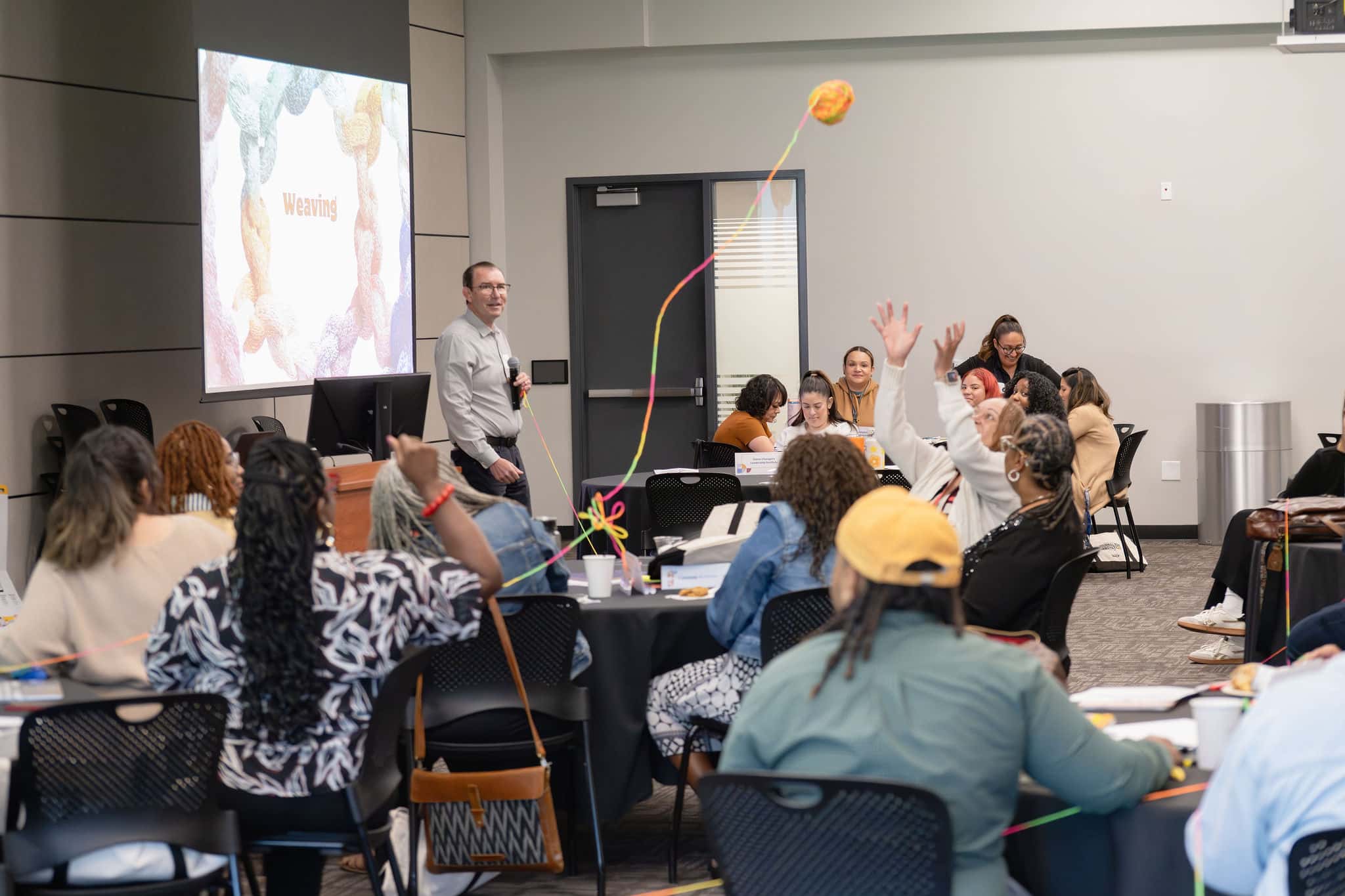
The second Learning Lab focused on the forces contributing to social isolation and division and on how communities can intentionally weave stronger connection.
Participants explored the power of story and narrative, including how stories can connect, humanize, divide, or reduce people to a single perspective. Teams practiced listening for the values and strengths within one another’s stories and began developing shared commitments rooted in their hopes for the Inland Empire.
Peer Connection: Carrying the Practice Forward
The July Peer Connection helped teams reflect on what they were learning about connection, story, bridging, and shared commitments. Participants continued considering how these practices could be carried into their organizations, networks, and community relationships.
IECF Policy & Philanthropy Summit
Connecting cohort learning with the wider region
Cohort members are participating in the 2026 IECF Policy & Philanthropy Summit, where themes and insights from the journey will contribute to a broader regional conversation about belonging and civic muscle.
Learning Lab 3: Co-Creating
Legacies that unlock human potential
In the next phase of the journey, cohort teams will explore how inherited legacies shape present conditions and future possibilities. Participants will use practices such as empathy, human-centered design, and multisolving to develop and strengthen ideas within their own initiatives.
Learning Lab 4: Growing
A culture of shared stewardship
The fourth Learning Lab will focus on how community stewards create the conditions for more people to contribute and lead. Teams will consider what it means to become better ancestors, bridge generations, renew civic life, and grow ideas that are ready for action.
Harvest
Striding toward thriving together
The cohort will conclude with a Harvest gathering in December. Teams will reflect on the journey, share emerging practices and strategies, consider what should be replicated or spread, and explore opportunities for continued connection and collective action.
Tools and Resources
The cohort is generating and gathering resources that can be used by participants and by others interested in strengthening belonging and civic muscle.
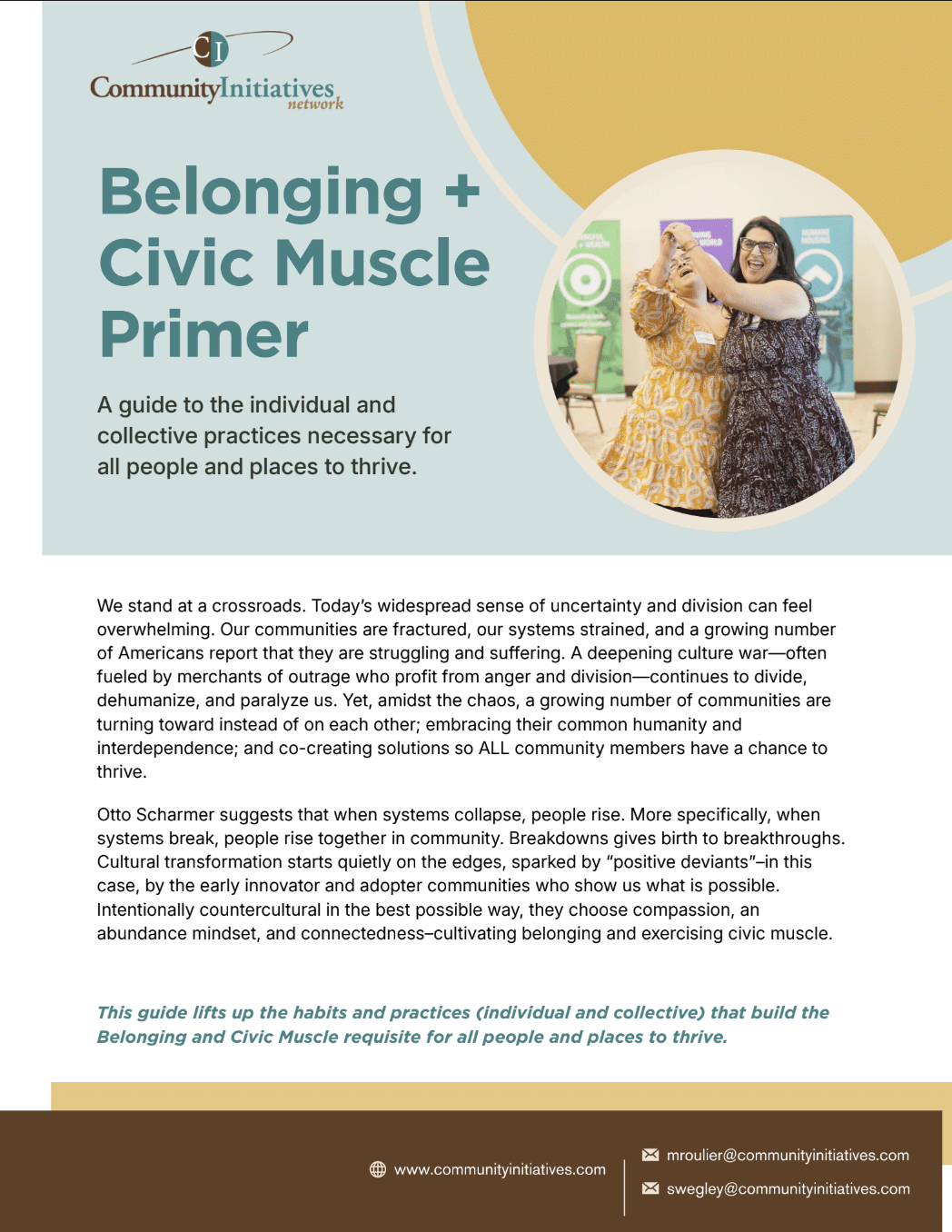
Belonging + Civic Muscle Primer
A guide to the individual and collective practices that help all people and places thrive. The primer introduces the Vital Conditions and Thriving Together framing, along with practices for connecting, bridging, healing and repairing, weaving, co-creating, and growing shared stewardship.
RAIN Method Practice
Chimamanda Ngozi Adichie: The Danger of a Single Story
Belonging Begins in the Body: Beginning with the Body and Going Deeper
A Practice for Building Connection
Three-Centered Awareness Practice
Belonging and civic muscle are strengthened through practices that help people become more present, listen more deeply, build trust, and stay connected when conversations become difficult.
In this video, Troy Bronsink introduces an individual practice used during the cohort journey. Watch the video and consider how the practice might change the way you enter a meeting, listen to another person, or create space for connection.
Join the Learning as It Grows
Cohort teams are already putting practices into action and sharing resources, stories, and insights that can help strengthen belonging and civic muscle across the Inland Empire. As the journey continues, IEVCN will continue to make more of this learning available through this page, Thrive Wire stories, participant reflections, practical tools, and regional webinars.
Explore tools and resources, follow the cohort’s journey, and join the IE Vital Conditions Network to stay informed of upcoming opportunities to learn, practice, and help build a bigger “we” across the region.
Acknowledgment
The IEVCN Belonging & Civic Muscle Cohort is facilitated by Community Initiatives Network partners Monte Roulier and Stacy Wegley in collaboration with IEVCN and regional and national partners. This inaugural cohort is made possible through the partnership of the Inland Empire Community Foundation and the generous support of the Wingate Foundation.