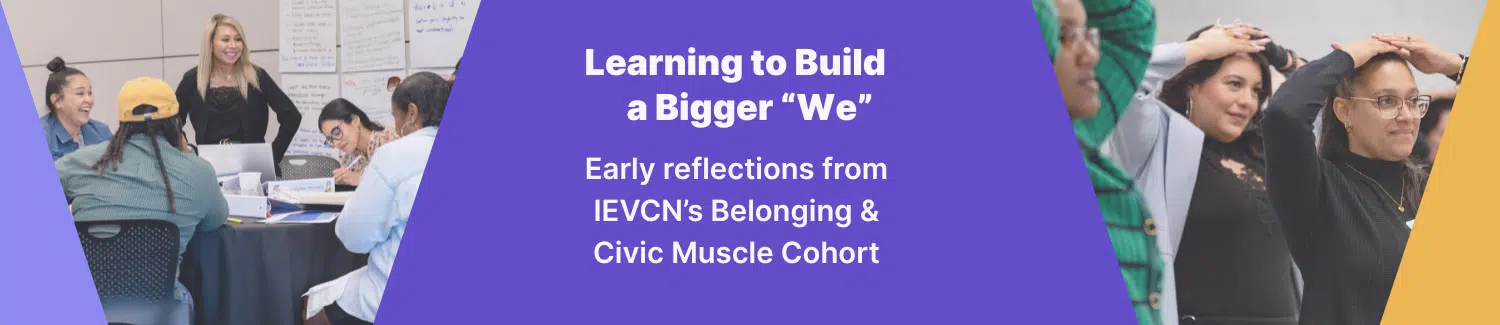
Early Reflections from IEVCN’s Belonging & Civic Muscle Cohort
Across the Inland Empire, community stewards are gathering to practice something many communities urgently need: how to stay connected, work across differences, and build the shared commitments that help people and places thrive. Through IEVCN’s Belonging & Civic Muscle Cohort, 15 teams are practicing, reflecting, laughing, listening, stretching, and learning what it takes to grow belonging and civic muscle in real time.
The Belonging & Civic Muscle Cohort is a ten-month learning and action journey. The purpose is both simple and ambitious: to strengthen the capacity of participating teams to build belonging and civic muscle within their own organizations, networks, and communities—and to help the broader IEVC Network learn how to grow this work across the Inland Empire over time.
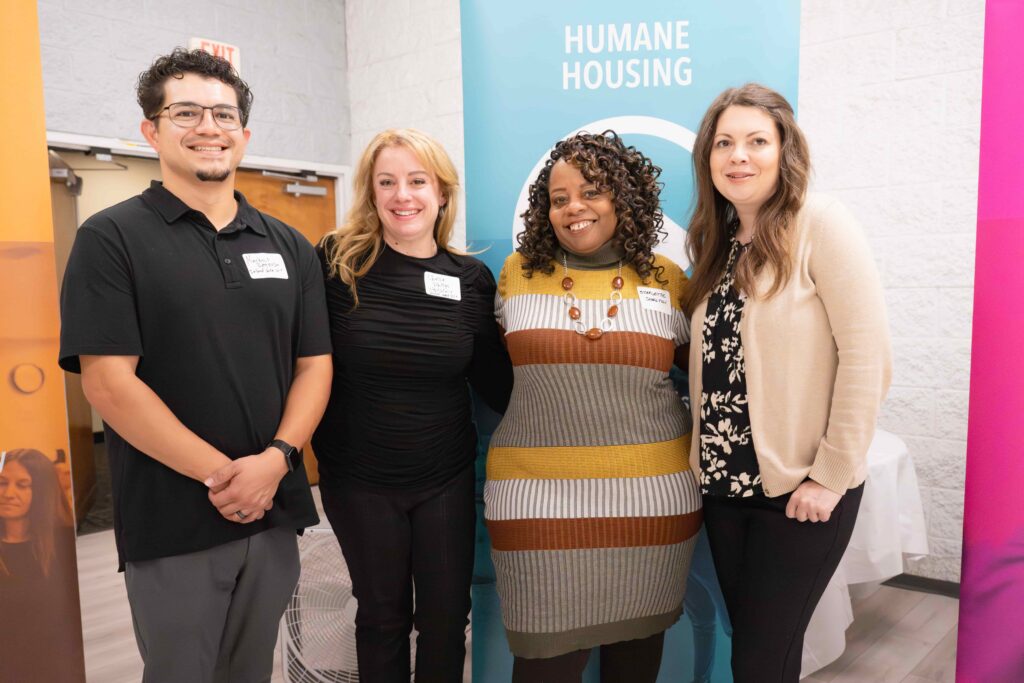
Belonging and Civic Muscle is one of the seven Vital Conditions for Health and Well-Being and a practical capacity that helps make progress across the others possible. When belonging and civic muscle are strong, people are valued, connected, supported, able to contribute, and part of shaping the future of their community.
That kind of capacity matters in any season. It matters even more now.
Many people are feeling the weight of isolation, division, mistrust, exhaustion, and uncertainty. Communities are being asked to respond to urgent needs while also imagining and building something better. The cohort is one place where IEVCN partners are slowing down enough to practice what that future requires.
Beginning with Ourselves
One of the early lessons of the cohort is that belonging does not begin as a strategy. It begins as an experience.
Before we can build trust across a table, bridge differences in a coalition, or shape shared action in a community, we have to notice how we are showing up. What are we carrying in our bodies? What stories are we telling ourselves? What happens inside us when we feel welcomed, dismissed, uncertain, defensive, moved, or stretched?
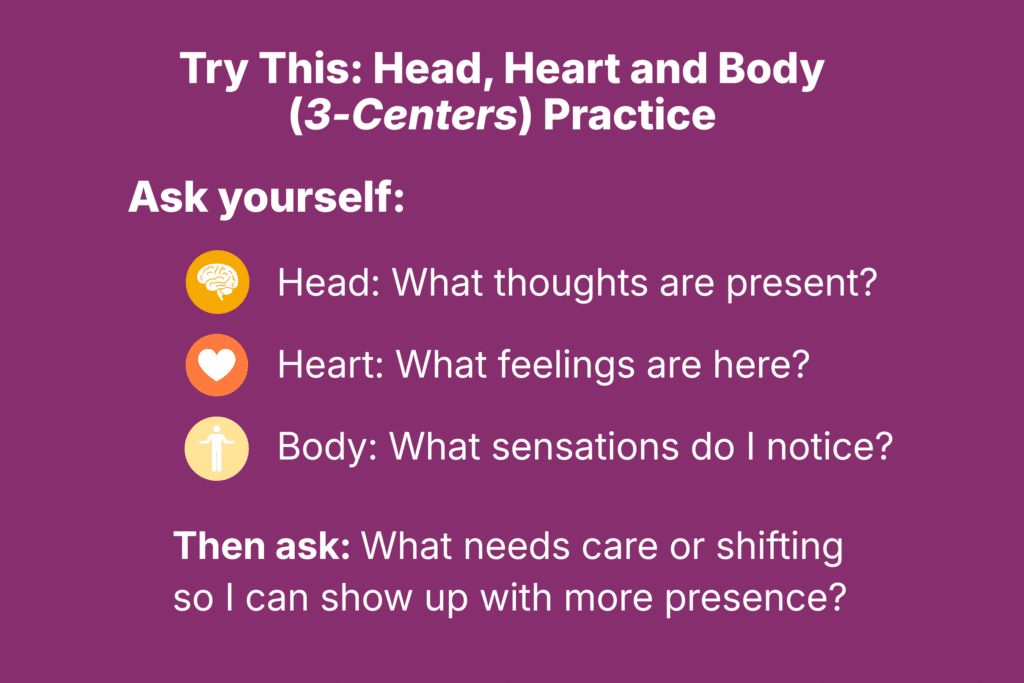
Cohort members have been practicing simple ways to pause and check in with the head, heart, and body. These practices help people notice what is happening internally before reacting externally. They create just enough space to move from habit to choice.
These practices help create the conditions for people to stay present when the work gets real. Community work is full of moments that ask people to stay present: a tense meeting, a hard truth, a story of harm, a conflict over priorities, a decision with real consequences. Belonging grows when people have the capacity to remain connected to themselves and one another in those moments.
As you move through the day, watch for the moments when your head, heart, or body gives you information before your words do. Those small signals can help you choose more connection, more curiosity, or more care.
Practicing the Patterns of Belonging
The cohort is also making clear that belonging is not only a feeling. It is something people learn to practice—in themselves, in relationships, and in the spaces where shared work happens.
A simple pattern has been guiding the work: connecting, bridging, and healing and repair. Connection helps people become more present to themselves and one another. Bridging helps people stay in relationship across differences. Healing and repair helps people acknowledge what has been strained, harmed, or broken so trust has a chance to grow again.
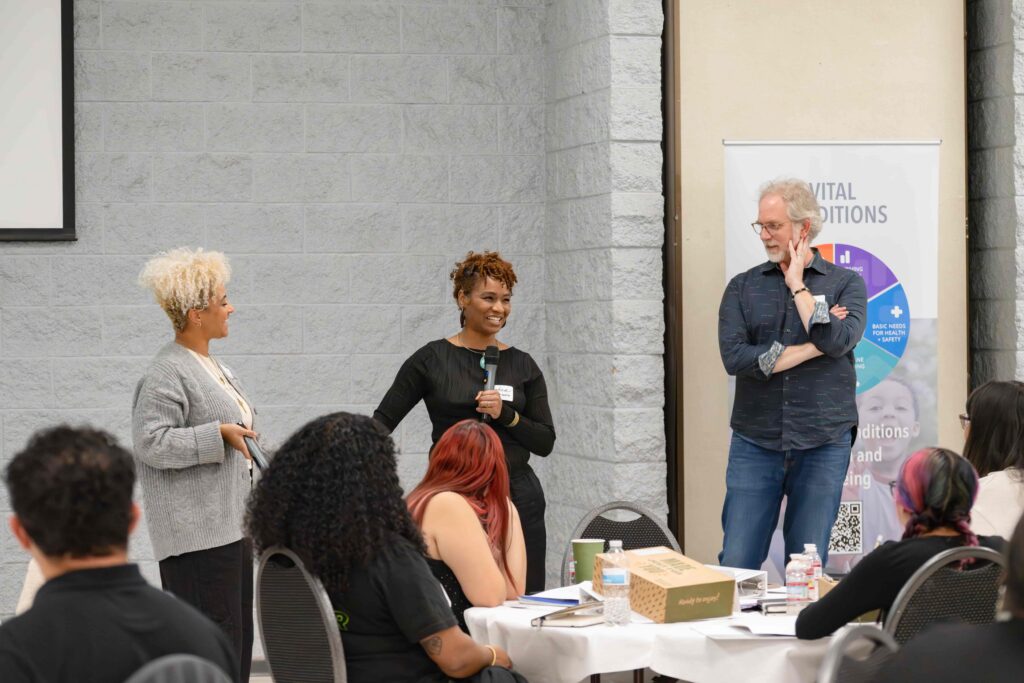
In the room, this has looked like slowing down before moving into content, grounding in the body, listening for what is genuine, making space for silence, practicing curiosity, and noticing what happens when a group begins to feel more honest and more human together.
It has also meant recognizing that belonging cannot be built only in easy moments. The deeper practice often begins when there is tension, misunderstanding, grief, disagreement, or fatigue in the room. Those are the moments when people need practices that help them pause, listen, reflect, ask better questions, repair harm, and return to one another with care.
This is part of what cohort members are learning together: belonging grows through repeated choices. It grows when people are willing to be present. It grows when people resist reducing one another to assumptions. It grows when groups make room for both truth and care. And it grows when people practice staying connected long enough for something new to become possible.
Understanding Story, Narrative, and Bridging
A major thread of the cohort has been the power of story. Stories shape how we understand ourselves, one another, and the places we call home. They can help us see dignity, strength, and possibility—or flatten people and communities into stereotypes, divisions, and assumptions.
When stories are repeated often enough, they begin to add up to narratives: larger patterns of meaning that influence what people believe is true, who they trust, what they fear, what they hope for, and what they imagine is possible. That is why story matters so much for bridging.
Bridging is the practice of staying connected across differences that might otherwise separate us. It does not ask people to pretend differences do not matter. It does not rush agreement or avoid hard conversations. Instead, bridging asks something more honest and more demanding: Can we stay in relationship long enough to listen, understand, and look for a way forward?
This is especially important in a time of social sorting and polarization. Too often, people are reduced to categories, assumptions, headlines, or “single stories.” Once that happens, curiosity disappears. And when curiosity disappears, so does the possibility of shared work.
Cohort members have been practicing ways to interrupt that pattern. They have reflected on personal stories that shaped how they understand belonging, community, voice, and contribution. They have listened to one another for the values and strengths carried inside those stories. They have also begun asking what stories about the Inland Empire need to be challenged, complicated, reclaimed, or newly told.
This matters because narrative is not separate from community change. The stories we repeat shape what we believe is possible. They influence who is seen as a leader, who is trusted, who is blamed, who is invited, and who is missing.
If a community is described only by its struggles, people can miss its strengths, creativity, and possibility.
If an individual or group is described only by a single story, people may miss the rich humanity they carry.
If the future is only described as decline, people may stop seeing their own power to shape something different.

Part of building belonging and civic muscle is learning to ask: What story is being told here? Who is missing from it? What fuller story needs to be heard? And what new story are we willing to imagine—and practice—together?
Building Civic Muscle Through Weaving
The cohort is not only about individual learning. It is also about weaving—connecting people, stories, strengths, and commitments into something more durable.
Weaving helps groups move from “I” to “we.” It creates the conditions for people to build trust, develop shared language, name common values, and make commitments to one another. It helps communities move from parallel efforts to aligned action.
In the cohort, teams are beginning to notice where connection is already alive in their organizations and networks, where disconnection or mistrust may be getting in the way, and what practices they want to carry forward. They are also beginning to shape shared commitments rooted in their own stories, values, and hopes for the future of the Inland Empire.
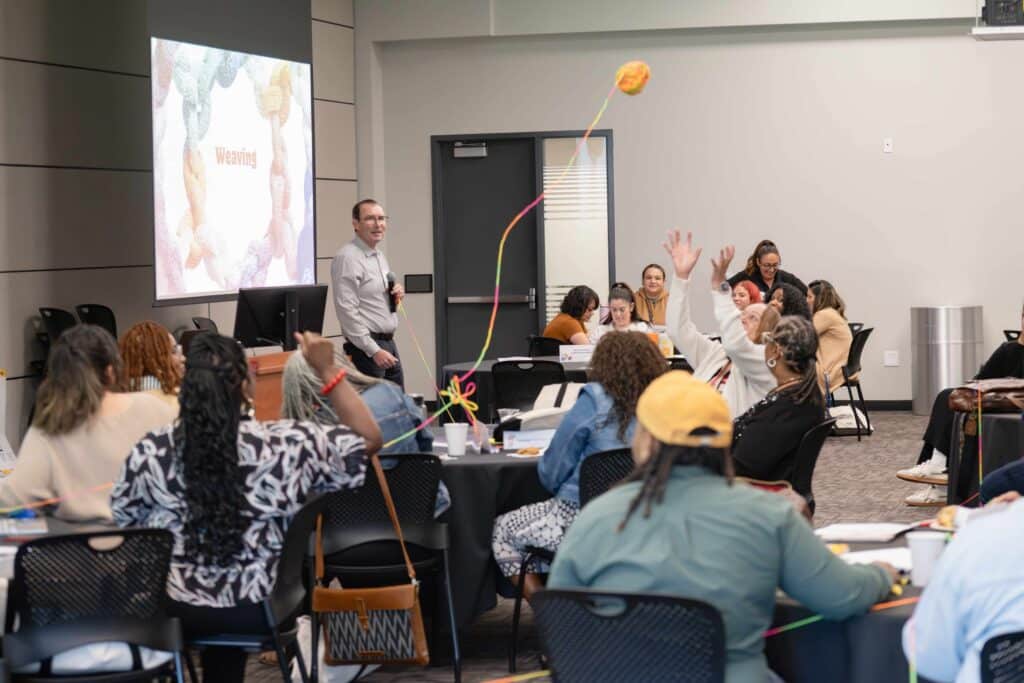
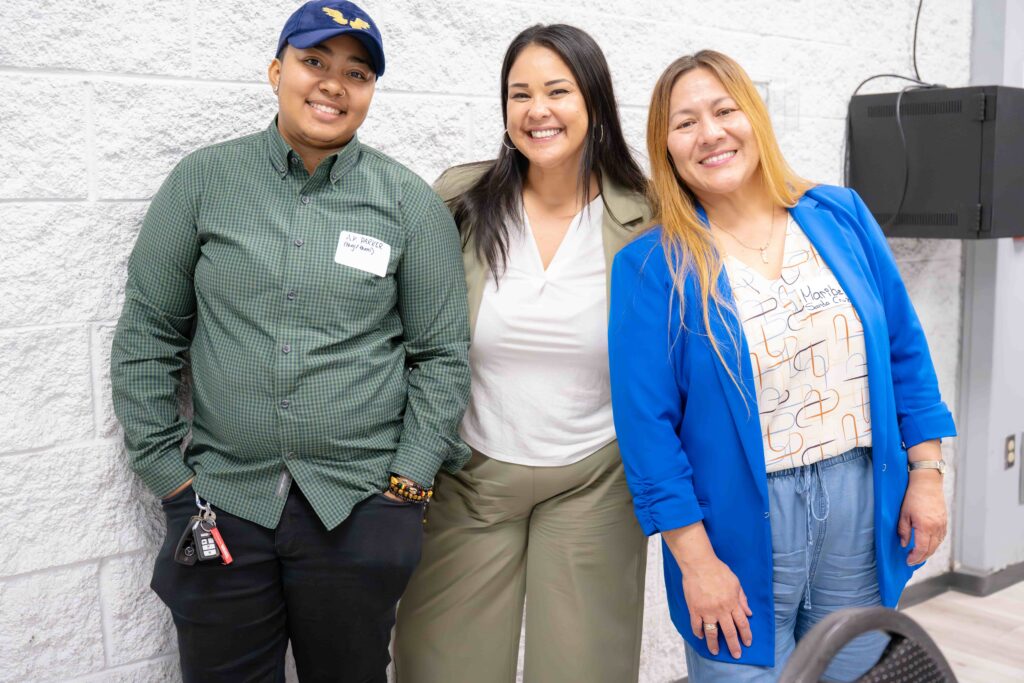
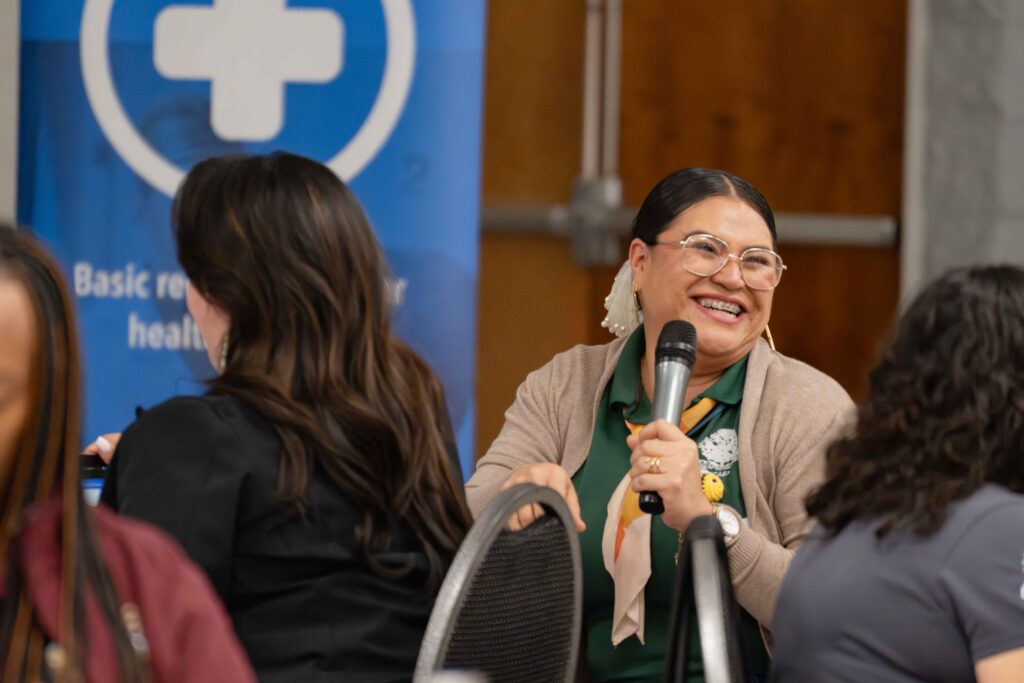
These commitments do not emerge all at once. They grow through repeated practice, honest reflection, and the willingness to keep showing up. And that is part of the point. The cohort is not designed as a one-time training. It is a learning journey. Teams are gathering between sessions, practicing in their own settings, testing ideas, and noticing what begins to shift.
What We Are Carrying Forward
If these first months of the cohort have taught us anything, it is that belonging and civic muscle are built through practice.
- They grow when people pause before reacting.
- They grow when people listen for the story beneath the position.
- They grow when people make room for grief, joy, conflict, repair, and imagination.
- They grow when people choose a bigger “we.”
- They grow when communities create real pathways for contribution and shared power.
The work ahead will continue to build on these foundations. In the coming months, the cohort will move more deeply into co-creating solutions, designing with empathy, growing the collaborative infrastructure for shared stewardship, and shaping what this learning can make possible across the Inland Empire.
Along the way, IEVCN will continue sharing tools, stories, and practices that can be used beyond the cohort itself. The hope is not only that 15 teams have a meaningful experience. The hope is that this experience helps seed a broader culture of belonging and civic muscle across the region—one meeting, one story, one practice, one commitment, and one shared action at a time.