Reclaiming Community Narrative
For communities like Hemet and San Jacinto, narratives matter.
For years, much of the story told about our Valley has started with what we lack: lower incomes, health disparities, limited resources, underinvestment, and neighborhoods in need of revitalization. Those challenges are real, and we cannot address inequity without acknowledging them.
But that is not the whole story.
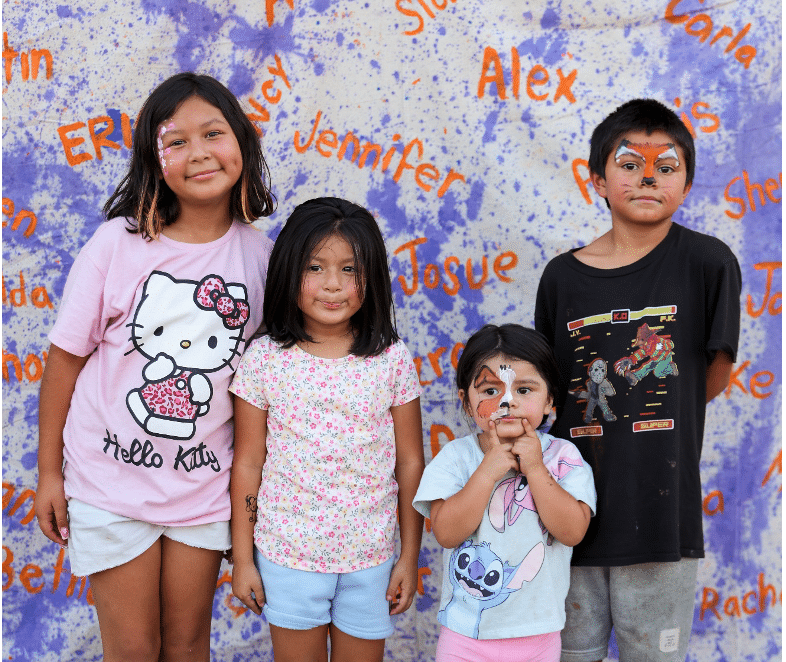
Our Valley is also a place of artists, families, entrepreneurs, educators, cultural traditions, agricultural roots, creativity, and residents who care deeply about where they live.
The stories told about a community influence how others see it, how resources flow into it, and perhaps most importantly, how residents see themselves and what they believe is possible.
At Healthy Valley Foundation, we have been asking a different question: What changes when residents have greater power to tell the story of their own community?
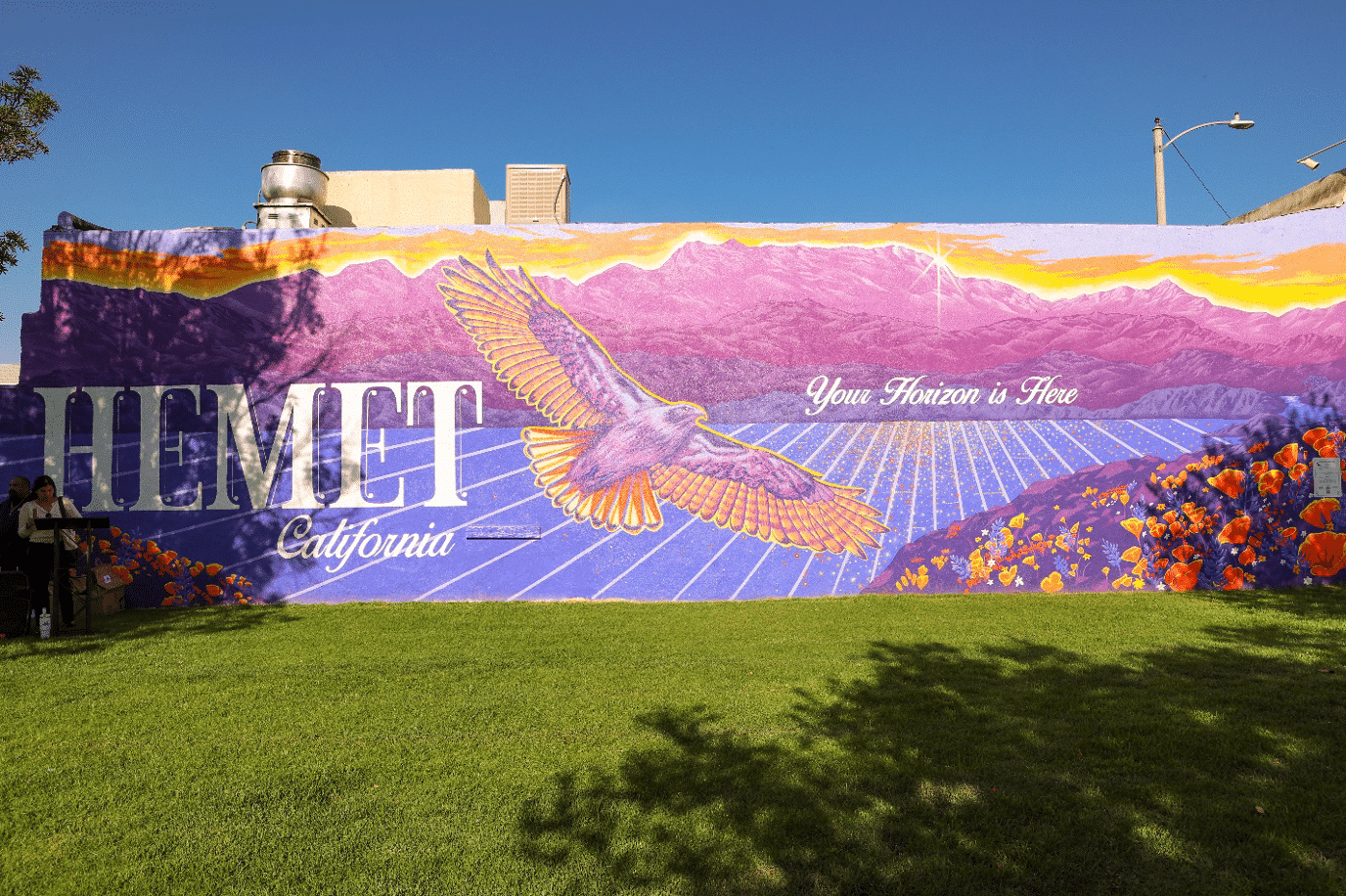
Hemet’s first Community-Led Public Mural offered us an opportunity to explore that question.
Rather than hiring an artist to create something for the community, we built a process to create something with the community. More than 40 residents shared their stories, memories, and hopes for Hemet. Those voices helped Lead Muralist Rosy Cortez translate community identity into a visual story.
We opened a Call for Artists, creating an opportunity for local creatives to participate in producing large-scale public art. Eleven Emerging Artists were selected and ultimately contributed 261 hours of artistic work alongside Rosy. Another 28 residents picked up brushes during Community Paint Day.
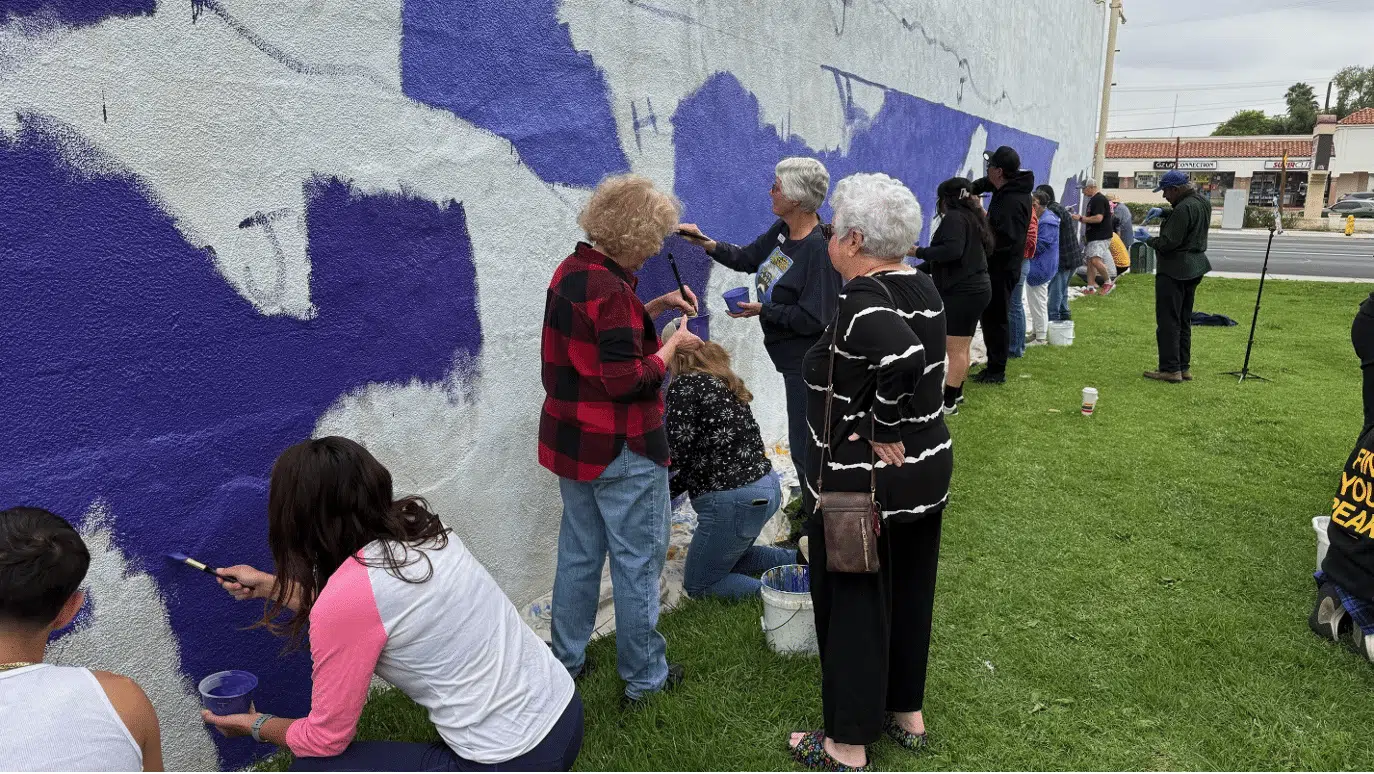
What emerged was more than a mural.
It became a different way of telling Hemet’s story.
Instead of focusing on what needed to be fixed, residents were talking about what they loved. Instead of seeing a blank wall, people imagined what could be there. Instead of importing creativity from somewhere else, we discovered and invested in artists who were already here.
And people began responding differently to the place itself.
Residents shared their pride online, stopped to watch the artists work, brought family members to see the wall, and asked a question we heard repeatedly: Where is the next mural going?
That question matters.
Narrative change can shift us from “Why doesn’t our community have this?” to “What could we create next?”
It also changes how institutions work together.
Creating the mural required local government, philanthropy, businesses, nonprofits, education, artists, and residents to move beyond their traditional lanes. The City of Hemet, Altura Credit Union, Riverside Arts Council, Hemet Valley Art Association, local businesses, artists, residents, and Healthy Valley Foundation each contributed different resources, relationships, knowledge, and perspectives.
No single organization owned the work. Everyone had a role in weaving it together.
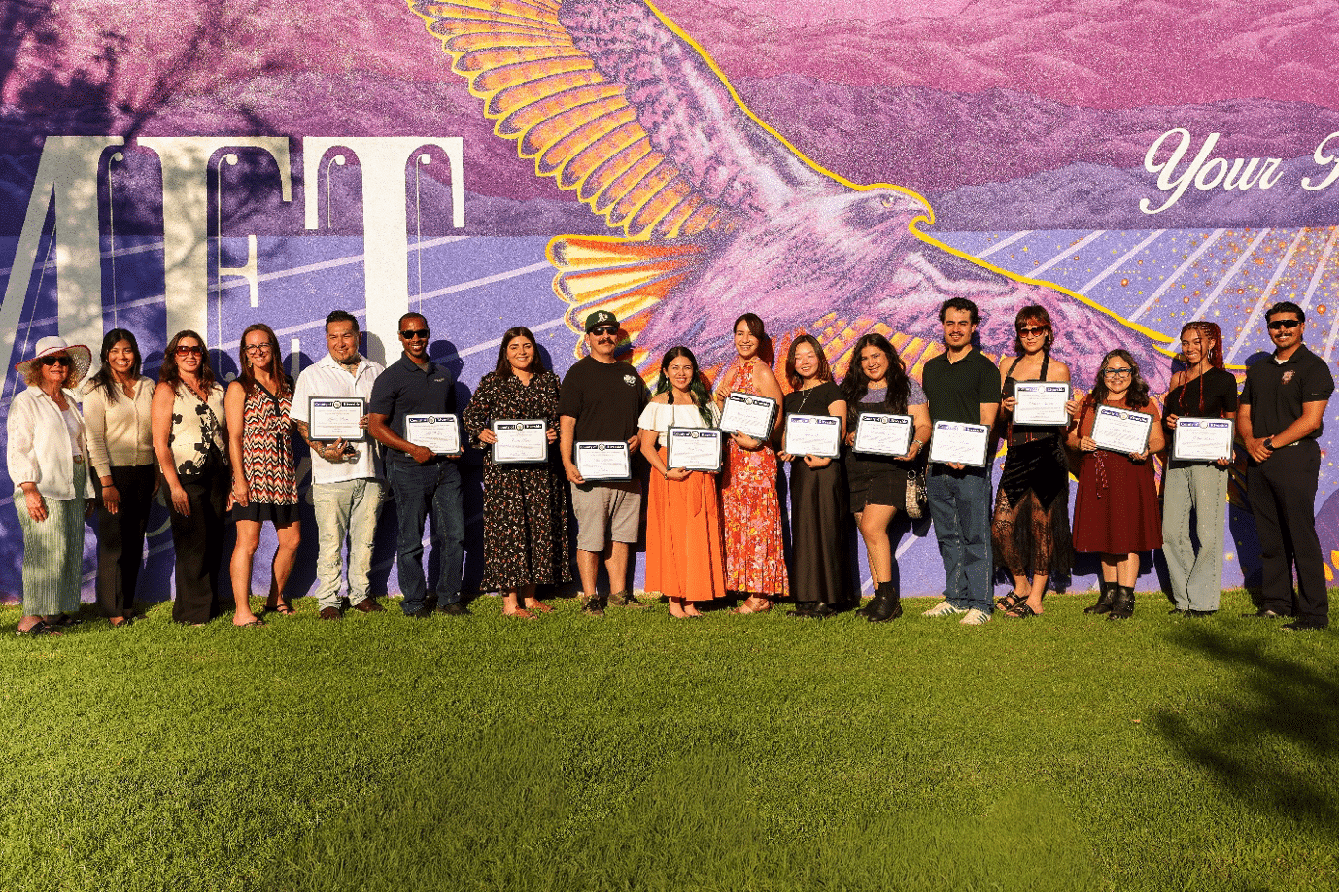
That kind of collaboration creates possibilities far beyond one wall.
One of the Emerging Artists developed through the first mural will now step into a leadership role for a future mural at Hemet’s first Community Garden, with the opportunity to mentor Hemet Unified art students. An artist who was given an opportunity becomes the person creating opportunities for others.
That is how a creative economy begins to grow locally.
And it is also how a new community narrative takes root.
We see public art as one tool within a much larger effort to build health and well-being across Hemet and San Jacinto. Well-being is shaped not only by healthcare, but also by whether people feel connected, whether they see opportunity around them, whether they feel pride in where they live, and whether they believe their voice matters in shaping its future.
A mural alone cannot change the conditions facing a community.
But the process behind it can help change relationships. It can uncover talent. It can build trust. It can create new partnerships. And it can give residents a visible reminder that they have the ability to shape the places they call home.
Perhaps that is the narrative we most want to cultivate across Hemet and San Jacinto:
Our communities are not simply places of need waiting for someone else to fix them. They are places filled with assets, creativity, history, relationships, and people capable of creating change together.
Sometimes changing the story of a community starts by creating the space for people to tell it themselves.
Jennifer O’Farrell is Executive Director of Healthy Valley Foundation and an active member of the Inland Empire Vital Conditions Network, where she also serves as faculty for the IEVCN Belonging and Civic Muscle Cohort.